 1580 N. Northwest Highway, Suite 12, Park Ridge, IL 60068



 312-884-1222

-

- Home
- About Us
- Our Team
- Divorce
- Uncontested Divorce
- The Illinois Divorce Process
- Division of Property and Assets
- Complex Financial Situations
- Theft/Dissipation of Marital Funds
- High Conflict Divorce
- Spousal Support
- Divorce for Older Couples
- Tax Considerations
- Child Custody / Parental Responsibilities
- Child Support
- Post-Decree Order Modifications
- Family Law
- Blog
- Scholarship
- Media
- Testimonials
- Contact
What Happens If One Spouse Changes Their Mind in an Uncontested Divorce?
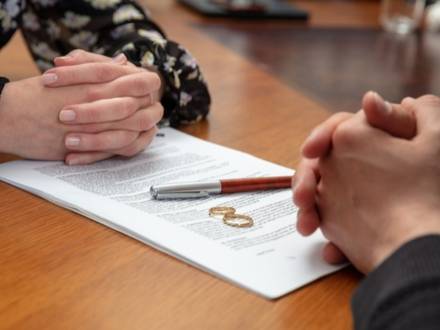 An uncontested divorce can seem like a simple and peaceful path forward. Both spouses agree on the important issues, and the process usually moves faster. However, it is possible for this type of case to change.
If one spouse reconsiders their decision or becomes unsure about the agreement, the process may shift into a contested divorce. When this happens, it can create new steps, new timelines, and new challenges. Speak with our Cook County, IL divorce attorney to find out what you should do when your uncontested divorce becomes contested.
Can an Uncontested Divorce Still Become Contested in Illinois?
An uncontested divorce can become contested at almost any point in the process. Illinois law requires both spouses in an uncontested divorce to agree on every major issue. This includes property division, spousal support, parenting time, and decision-making responsibilities. If one spouse no longer agrees, the case cannot continue as uncontested.
The Illinois Marriage and Dissolution of Marriage Act is what governs the divorce process. For example, 750 ILCS 5/401 outlines the legal grounds and requirements for divorce. The court needs proof that both spouses consent to the terms. If one person withdraws consent, the judge must treat the case as contested. This does not stop the divorce from moving forward, but it does change the steps the court will take.
Common Reasons People Change Their Minds During an Uncontested Divorce
People change their minds during a divorce for many different reasons. It’s a major life event that can bring new concerns to the surface as the process moves along. Some of the most common reasons for the switch include:
-
Feeling uncertain about long-term financial decisions
-
Wanting more time to review the parenting plan
-
Learning new information about income or assets
-
Realizing that an asset may have been overlooked or valued incorrectly
-
Worrying that the original agreement was made too quickly
-
Feeling emotional stress that makes decision-making more difficult
Illinois courts follow 750 ILCS 5/503 when dividing property. This statute explains how judges classify marital and nonmarital assets and how they evaluate each spouse’s financial circumstances. If a spouse discovers new financial details or feels unsure about the terms, they may need to pause the process and reconsider the agreement.
Can a Spouse Back Out After the Divorce Papers Are Filed?
Filing the divorce papers does not lock either spouse into an agreement. Until the judge signs the final judgment, either spouse can make changes or withdraw consent. Some spouses back out before the first court hearing. Others wait until they review the settlement documents and notice details they did not expect.
Even if both spouses sign a settlement, the court still reviews it. Judges must ensure the agreement is fair and meets Illinois legal requirements. For example, 750 ILCS 5/502 explains how settlement agreements are handled. If the court finds problems or if a spouse raises concerns before final approval, the process may shift into a contested divorce. Once that happens, the timeline can extend. Discovery, hearings, and negotiations may be needed to resolve the issues.
Schedule a Free Consultation With a Chicago, IL Divorce Attorney Today
At The Law Office of George J. Skuros, our team is here to help you understand your rights and options with clarity. We offer support at every stage of the process and work to help you make informed decisions that protect your future. Contact us today at 312-884-1222 to schedule a free consultation with our Cook County, IL divorce lawyer and learn how we can assist you with your Illinois divorce.
Serving Counties Across Illinois
From our office in Park Ridge, we serve clients throughout Cook County, including the North Shore and the Northwest Suburbs of Schaumburg, Arlington Heights, Mount Prospect, Des Plaines, Inverness, and more. Our services also extend to surrounding areas in DuPage County, Lake County, Kane County, and Will County.
Cook County

DuPage County

Kane County

Lake County

Will County
312-884-1222
1580 N. Northwest Highway, Suite 12, Park Ridge, IL 60068

From our office in Park Ridge, we serve clients throughout the Chicagoland area, including but not limited to Cook County, DuPage County, Harwood Heights, Rosemont, Schaumburg, Des Plaines, Elmwood Park, Norridge, Schiller Park, Lincolnwood, Edgewater, River Grove, Austin, Niles, Morton Grove, Skokie, Norwood, Logan Square, Bucktown, Oak Park, Wheeling, Hoffman Estates, Rolling Meadows, Palatine, Cicero, Evanston, Northbrook, Mt. Prospect, Elmhurst, Glenview, Humboldt Park, and the Loop, as well as Naperville, Wheaton, Lombard, and Glen Ellyn.

Contact Our Firm
 The use of the Internet or this form for communication with the firm or any individual member of the firm does not establish an attorney-client relationship. Confidential or time-sensitive information should not be sent through this form.
I have read and understand the Disclaimer and Privacy Policy.

